How the Mediterranean Diet Can Boost Your Health and Happiness
If you are looking for a way to improve your health, well-being, and longevity, you might want to consider adopting the Mediterranean diet. This eating pattern, inspired by the traditional cuisines of countries bordering the Mediterranean Sea, has been shown to offer a range of benefits for your body and mind.
What is the Mediterranean diet?
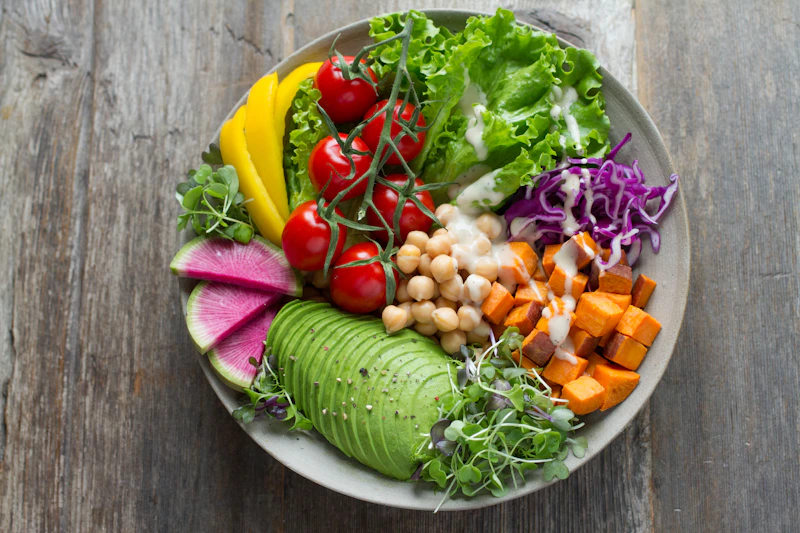
The Mediterranean diet is not a strict or rigid diet that tells you what to eat and what to avoid. Rather, it is a flexible and balanced way of eating that emphasizes whole, minimally processed, plant-based foods:
- Fruits and vegetables: Aim for at least five servings per day of different colors and varieties
- Whole grains: Whole-grain breads, pasta, rice, couscous, barley, and oats
- Nuts and seeds: Excellent sources of healthy fats, protein, fiber, and minerals
- Legumes: Beans, lentils, peas, chickpeas, and soybeans—high in protein and fiber
- Olive oil: The primary source of fat, rich in monounsaturated fatty acids
- Fish and seafood: Eaten several times a week, rich in omega-3 fatty acids
- Dairy products: Cheese, yogurt, and milk in moderate amounts
- Red meat: Eaten rarely and in small portions
Health Benefits
The Mediterranean diet has been extensively researched and proven to have many health benefits:
- Lower risk of cardiovascular disease: Lowers blood pressure, cholesterol, triglycerides, and inflammation
- Lower risk of diabetes: Improves insulin sensitivity and glycemic control
- Lower risk of cancer: Can protect against breast, colorectal, prostate, and stomach cancer
- Lower risk of cognitive decline: Preserves brain health and prevents dementia
- Lower risk of obesity: Increases satiety and metabolism
How to Get Started
You don't need to make drastic changes. Start by making small and gradual adjustments:
- Eat more fruits and vegetables
- Switch to whole grains
- Include nuts and seeds daily
- Eat more legumes
- Use olive oil as your main cooking fat
- Eat fish and seafood at least twice a week